
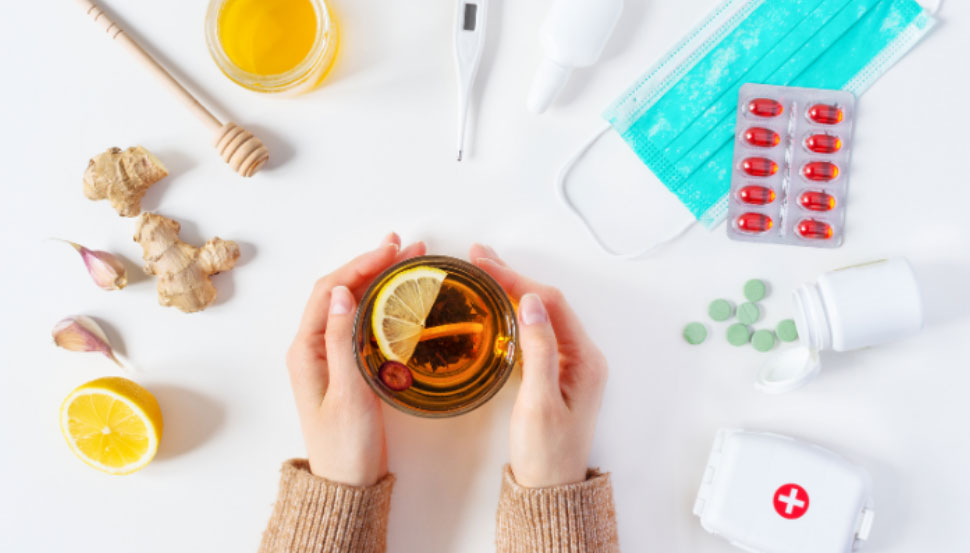
Flu season is here.
As in other temperate Northern and Southern Hemisphere countries, South Africa experiences flu season every winter, typically between April and September. And this year, flu season is likely going to overlap with the anticipated third wave of COVID-19.
Therefore, it is more vital than ever for South Africans to get involved in their care.
Though the flu shot isn’t effective against COVID-19, it will help protect you against Seasonal Influenza, otherwise known as the “flu” which can weaken your immune system, and as a result, lower your defences against the COVID-19 infection.
This is especially true for those who have a chronic condition or comorbidity.
Here’s everything you need to know about flu season and how to combat it:
Effects of Influenza (or “Flu”)
Influenza kills around 10,000 people five years and older each year in South Africa.
In addition, the flu also causes between 290,000 and 650,000 deaths worldwide, as well as between 3 and 5 million cases of severe illness.
Diagnosis and Symptoms to Look Out For
Influenza is most often an uncomplicated illness, which can primarily be distinguished by a sudden onset of respiratory and constitutional symptoms such as:
- Cough
- Fever
- Sore throat
- Pain in muscle/s
- Allergic response to specific allergens (Rhinitis)
- Headaches
In the majority of people, Influenza resolves in 3-7 days, however, cough and discomfort may persist for several weeks.
Complications That May Occur If Not Treated:
Flu season has the potential to cause great harm to individuals and our health system during 2021. The added stress that a seasonal flu epidemic puts on our health system has the potential to cause distress in the lives of many South Africans.
Without flu vaccinations, you put yourself at risk of:
- Viral pneumonia
- Secondary bacterial or viral infections (e.g. sinusitis, pneumonia, and ear infections)
- Aggravation of underlying illnesses (e.g. pulmonary and cardiac illness).
- A greater chance to obtain the COVID-19 infection due to weakened immune systems.

How to Prevent Getting the Flu:
The Influenza vaccine (flu vaccination) remains the primary way to prevent seasonal influenza infection. The vaccine is updated every year based on data collected in the Global Influenza Surveillance Programme.
The World Health Organisation recommends that nationally determined high-risk populations should be vaccinated against flu.
Though it’s never too late to vaccinate, a protective antibody response takes about 2 weeks to develop, and therefore, vaccines should be taken early to provide sufficient protection for the winter.
In addition to getting flu vaccinations, other methods could help prevent the flu:
- The continued compliance with public health interventions that have become part of our everyday lives (Including washing of hands, wearing of masks, etc).
- Avoiding mass gatherings in poorly ventilated indoor areas.
Conclusion
Flu season poses a great threat to SA’s population during this trying time.