

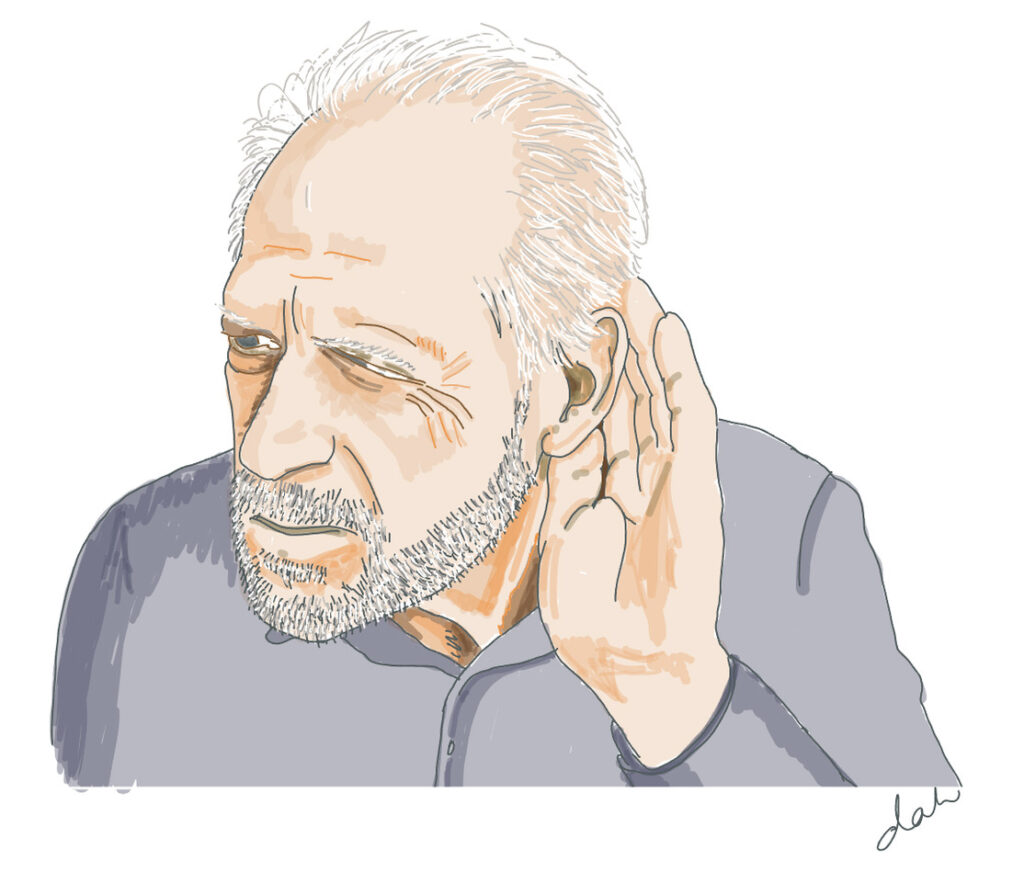
Hearing impairment is a common problem among older people. It is estimated that around 1 in 3 people over the age of 65 experience some degree of hearing loss. Although it is a normal part of the ageing process, hearing loss can have a significant impact on the quality of life of those affected by it. In this blog, we will discuss the causes, signs, and treatment options for hearing impairment in older people.
Causes of Hearing Impairment:
Age-related hearing loss, or presbycusis, is the most common cause of hearing impairment in older people. It is a gradual and progressive loss of hearing ability that typically affects both ears equally. Presbycusis is caused by changes in the inner ear, including damage to hair cells, reduced blood supply, and the accumulation of toxic substances. Other factors that can contribute to hearing loss in older people include:
- Exposure to loud noise over time.
- Certain medications can damage the inner ear, such as certain antibiotics and chemotherapy drugs.
- Medical conditions can affect the inner ear, such as diabetes and high blood pressure.
- Genetics.
Signs of Hearing Impairment:
The signs of hearing impairment in older people can be subtle and may go unnoticed for some time. Common signs include:
- Difficulty hearing conversation in noisy environments.
- Asking others to repeat themselves frequently.
- Turning up the volume on the TV or radio.
- Avoiding social situations where communication is difficult.
- Tinnitus (ringing in the ears).
Treatment Options:
There are several treatment options available for hearing impairment in older people. The most common treatment is the use of hearing aids. Hearing aids are small electronic devices that amplify sound and improve hearing ability. They come in a range of styles and sizes, from behind-the-ear to completely in the canal and can be tailored to suit individual needs.
Cochlear implants are another option for those with severe hearing loss. A cochlear implant is a small device that is implanted into the inner ear and stimulates the auditory nerve directly.
In some cases, hearing impairment can be treated with medications or surgery, depending on the underlying cause.
Conclusion:
Hearing impairment is a common problem among older people, but it should not be ignored. If you or a loved one is experiencing signs of hearing impairment, it is important to seek help from a doctor. Early intervention can improve the chances of successful treatment and help to minimise the impact of hearing loss on daily life. Remember, hearing impairment is not a sign of ageing, and it should not be a barrier to living a full and active life.