

Urine infection, also known as urinary tract infection (UTI), is a common health condition that affects women of all ages. According to the South African Medical Journal, UTI’s in South Africa, account for 10-15% of all consultations with primary care physicians.
In this article, we will explore the causes, symptoms, diagnosis, treatment, and prevention of urine infection in women.
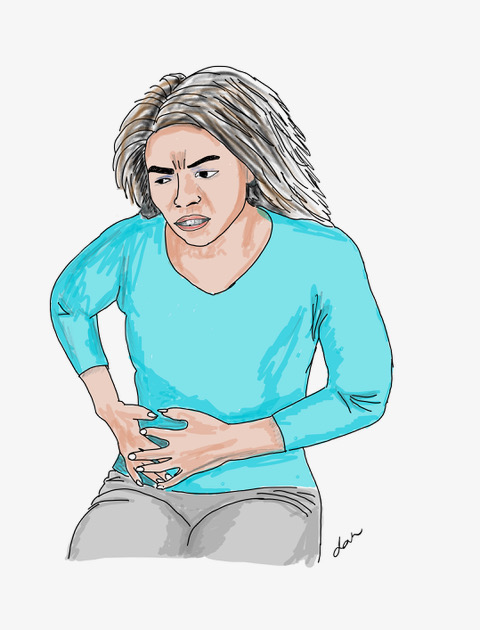
Causes of Urine Infection in Women
UTIs occur when bacteria, usually E. coli, enter the urethra and infect the bladder or other parts of the urinary tract. The urethra is the tube that carries urine from the bladder to the outside of the body. Women are more likely to get UTIs than men because their urethra is shorter, and the bacteria have a shorter distance to travel to reach the bladder. Additionally, the opening of the urethra is close to the anus, which increases the likelihood of bacteria from the digestive tract entering the urinary tract.
Several factors increase the risk of UTIs in women, including:
- Sexual activity: Sexually active Women have a higher risk of UTIs due to the friction that occurs during sex and the transfer of bacteria.
- Pregnancy: Hormonal changes during pregnancy can affect the urinary tract and increase the risk of UTIs.
- Menopause: After menopause, the decrease in oestrogen levels can cause changes in the urinary tract that increase the risk of UTIs.
- Certain types of birth control: Women who use diaphragms or spermicides as birth control may be more likely to develop UTIs.
- Anatomic abnormalities: Women who have abnormalities in the urinary tract, such as a urethral diverticulum or urinary fistula, may be more likely to develop UTIs.
Symptoms of Urine Infection in Women
UTI symptoms can vary, depending on which part of the urinary tract is infected. The most common symptoms of bladder infections, which occur when bacteria infect the bladder, include:
- A strong, persistent urge to urinate.
- A burning sensation when urinating
- Passing frequent, small amounts of urine
- Cloudy, dark, bloody, or strong-smelling urine
- Pain or pressure in the lower abdomen or back
If the infection spreads to the kidneys, the symptoms can be more severe and may include:
- High fever
- Chills and shaking
- Nausea and vomiting
- Pain in the side, back, or groin
Diagnosis of Urine Infection in Women
If you experience symptoms of a UTI, it is essential to see your doctor for diagnosis and treatment. Your doctor will perform a physical exam and ask about your symptoms and medical history. Your doctor may also perform a urine test to check for the presence of bacteria or other signs of infection.
In some rarer cases, additional tests may be necessary to determine the cause of the infection or to identify any underlying conditions that may be contributing to the UTI. These tests may include an ultrasound or CT scan of the urinary tract or a cystoscopy, which is a procedure that uses a small camera to examine the bladder and urethra.
Treatment of Urine Infection in Women
Treating UTIs typically involves antibiotics to kill the bacteria causing the infection. The type of antibiotic prescribed will depend on the type of bacteria and the severity of the infection. It is essential to take the full course of antibiotics as prescribed, even if you start to feel better before the medication is finished.
In addition to antibiotics, your doctor may recommend over-the-counter pain relievers, such as ibuprofen or paracetamol, to help relieve pain and discomfort. They may also recommend drinking plenty of fluids and avoiding alcohol.
Preventing Urine Infections in Women
To prevent UTIs, there are some simple steps you can take:
- Drink plenty of water and other fluids to help flush bacteria out of your urinary system.
- Wipe from front to back after using the bathroom to prevent bacteria from the rectal area from entering the urethra.
- Urinate after sexual intercourse to help flush bacteria out of the urethra.
- Avoid using feminine hygiene products such as douches, powders, or sprays, which can irritate the urethra and increase the risk of infection.
By taking these steps and seeking prompt treatment if you experience symptoms of a UTI, you can help reduce your risk of developing this common and uncomfortable infection.