
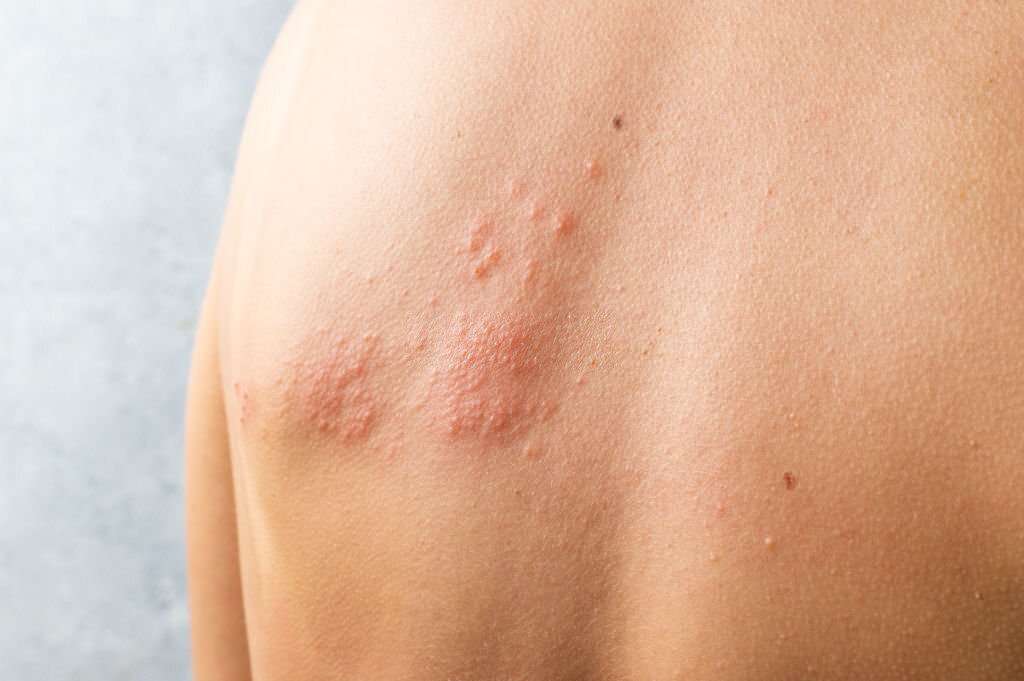
Herpes zoster, commonly known as shingles, is a viral infection caused by the varicella-zoster virus (VZV). This virus also causes chickenpox. Shingles is characterized by a painful rash that usually appears on one side of the body, typically on the torso or face. It is estimated that about 1 in 3 people will develop shingles at some point.

Symptoms:
Shingles can cause a variety of symptoms, including:
- Pain, burning, or tingling sensation on one side of the body.
- A red, itchy rash that appears in a specific pattern, typically on the torso or face.
- Blisters that may break open and scab over.
- Fever
- Headache
- Fatigue
Causes:
The varicella-zoster virus remains dormant in nerve cells after a person has recovered from chickenpox. The virus can reactivate later in life, leading to shingles. The reasons for reactivation are not fully understood, but factors that can trigger it include:
- Ageing
- Weak immune system
- Stress
- Certain medications
- Radiation therapy
- Injury to the affected area
Treatment:
Shingles usually clears up on its own within two to four weeks. However, treatment can help reduce the severity of symptoms and the duration of the illness.
Treatment options include:
- Antiviral medications: These can help reduce the severity and duration of the illness if taken within 72 hours of the rash appearing.
- Pain relievers: Over-the-counter pain relievers like acetaminophen and ibuprofen can help reduce pain and fever.
- Topical ointments: These can help relieve itching and discomfort.
- Rest: Resting and avoiding strenuous activity can help the body fight off the infection.
Prevention:
The best way to prevent shingles is to get vaccinated. It is recommended that adults over the age of 50 get the shingles vaccine. The vaccine is over 90% effective at preventing shingles and can also help reduce the risk of complications, such as postherpetic neuralgia.
If you have shingles, it is important to avoid contact with people who have not had chickenpox or the vaccine, as the virus can be spread through direct contact with the rash or blisters. It is also important to keep the rash clean and dry to prevent infection.
Complications:
Shingles can cause several complications, including:
- Postherpetic neuralgia (PHN): This is the most common complication of shingles and involves persistent pain, burning, or itching in the area affected by the rash, even after the rash has cleared up. PHN can last for months or even years after the initial outbreak.
- Vision problems: Shingles can affect the eyes, causing inflammation and leading to a condition called herpes zoster ophthalmicus (HZO). HZO can cause vision loss, blindness, and other serious eye problems.
- Neurological complications: In some cases, shingles can lead to brain inflammation (encephalitis) or spinal cord (myelitis), which can cause seizures, weakness, and other neurological problems.
- Skin infections: The blisters caused by shingles can become infected, leading to more serious skin infections.
- Other complications: Shingles can also cause pneumonia, hearing loss, balance problems, and other complications.
It is important to seek medical attention promptly if you suspect you have shingles, as early treatment with antiviral medication can reduce the risk of complications.
In conclusion, shingles is a viral infection that can cause painful symptoms and discomfort. Although it usually clears up on its own within a few weeks, treatment can help reduce the severity of symptoms and the duration of the illness. The best way to prevent shingles is to get vaccinated, and if you do develop shingles, it is important to take steps to prevent the spread of the virus and keep the rash clean and dry. If you have any concerns or questions about shingles, speak to your doctor.