
What is Polycystic Ovary Syndrome?
Polycystic Ovary Syndrome (PCOS) is a hormonal disorder commonly found amongst women of childbearing ages. Women with PCOS either produce higher levels of male hormones or have unusual menstrual periods. This condition affects how women’s ovaries work and often causes numerous small cysts (fluid-filled sacs) to form on the ovaries. However, this isn’t always the case.
Who is at risk of getting PCOS?
Women who are in their reproductive years. These include women between the ages of 12 and 51.1 On average, PCOS affects millions of women, estimating that one out of ten women is affected worldwide.2,3
PCOS Symptoms
Sometimes PCOS symptoms are clear, and other times they’re more difficult to identify as it involves internal examination.
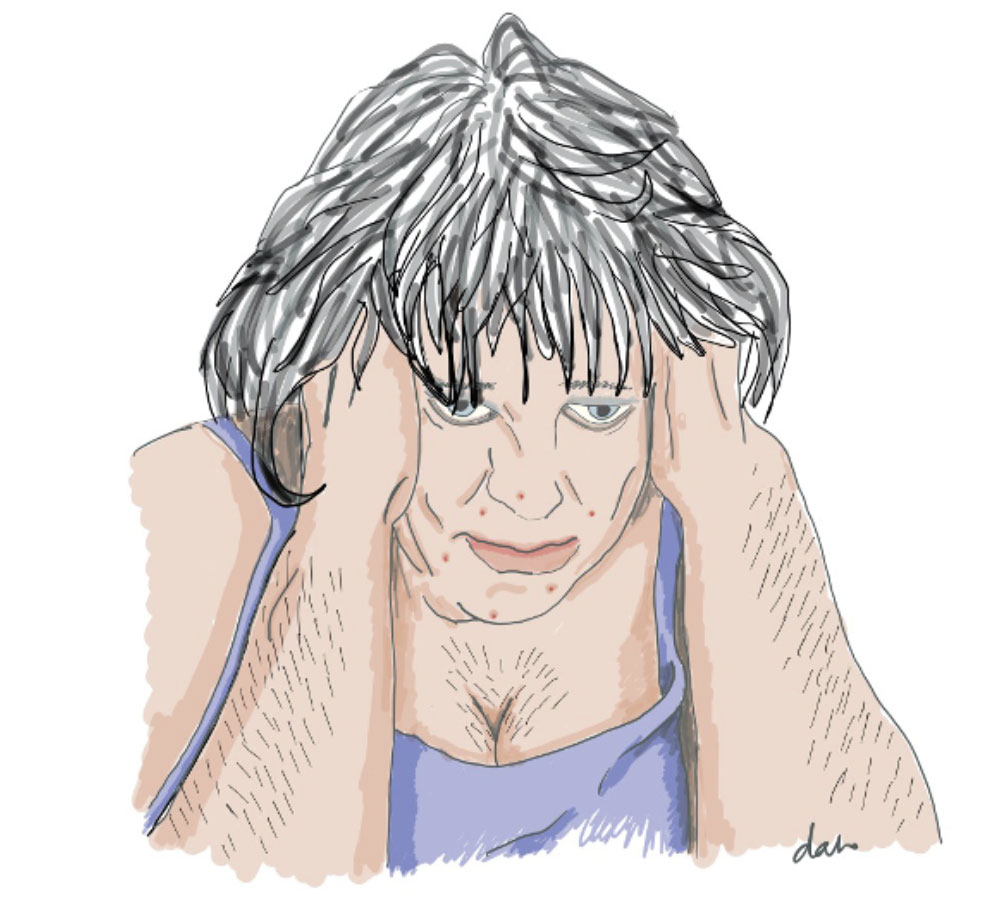
Symptoms you can look out for, include:
- Weight gain, specifically around the waist.
- Oily skin or acne.
- Increased body or facial hair.
- Thinning scalp hair.
- Darkening of skin in the folds (such as the back of the neck or armpits).
- Irregular periods or no periods at all (caused by a lack of ovulation).
- Difficulty getting pregnant.
- Mood changes.
- Pelvic pain.

Fig 2 PCOS Symptoms
Symptoms that aren’t visible, but can be identified by specialists, include:
- Numerous small cysts on the ovary
- Above-average levels of male hormones (androgen).

Fig 3 Polycystic ovaries
Polycystic Ovary Syndrome Causes
The causes of polycystic ovary syndrome are unknown, however, excess male hormones (androgen) plays an important part as it prevents the ovaries from producing eggs normally. Aspects such as weight, inflammation, and insulin resistance have also been connected to PCOS. Additionally, your chances of having PCOS also increases if your mother, grandmother, or sister has the syndrome.
Polycystic Ovary Syndrome Risks
- In extreme cases, PCOS can cause infertility.
- Can cause irregular menstrual periods or even stop them completely (which means that your ovaries aren’t releasing eggs).
- Lead to the growth of cysts within the ovaries.
- Causes excess facial or body hair, as well as acne.
- Heighten the risk of obtaining other health issues such as type 2 diabetes, high blood pressure, high cholesterol, and insulin resistance.
It’s estimated that more than half of the women who have polycystic ovary syndrome develop type 2 diabetes before the age of 40.4
Polycystic Ovary Syndrome Treatment
It’s important to note that PCOS can’t be cured, however, it can be treated. The treatment that you receive will depend on your age, symptoms, and whether you want to get pregnant or not.
If you notice that you have excess hair growth, acne, or irregular periods, you can consult your doctor who will do a thorough examination to determine whether you have polycystic ovary syndrome, as well as which course of treatment is best for you.
Several different medicines can be used to treat excessive hair growth, skin colouration, as well as acne. Fertility medicines can also be prescribed, and in cases where the medicine is ineffective, a simple procedure called laparoscopic ovarian drilling (LOD) can be performed which makes it easier for women with PCOS to get pregnant.
Conclusion
If you are experiencing numerous of the above-mentioned symptoms and believe that you may have polycystic ovary syndrome (PCOS), you need to consult your doctor as soon as possible.
Many of the risks can be limited if the condition is identified early and treatment is implemented immediately.
Book an appointment with The Vines Family Practice today
References:
1. Polycystic Ovary Syndrome (PCOS): Diet Do’s and Don’ts. Accessed July 27, 2021. https://www.healthline.com/health/pcos-diet
2. Polycystic ovary syndrome | Office on Women’s Health. Accessed July 27, 2021. https://www.womenshealth.gov/a-z-topics/polycystic-ovary-syndrome
3. Childbearing Age: What’s Ideal and What Are the Risks? Accessed July 27, 2021. https://www.healthline.com/health/womens-health/childbearing-age
4. PCOS (Polycystic Ovary Syndrome) and Diabetes | CDC. Accessed July 27, 2021. https://www.cdc.gov/diabetes/basics/pcos.html?CDC_AA_refVal=https%3A%2F%2Fwww.cdc.gov%2Fdiabetes%2Flibrary%2Fspotlights%2Fpcos.html