
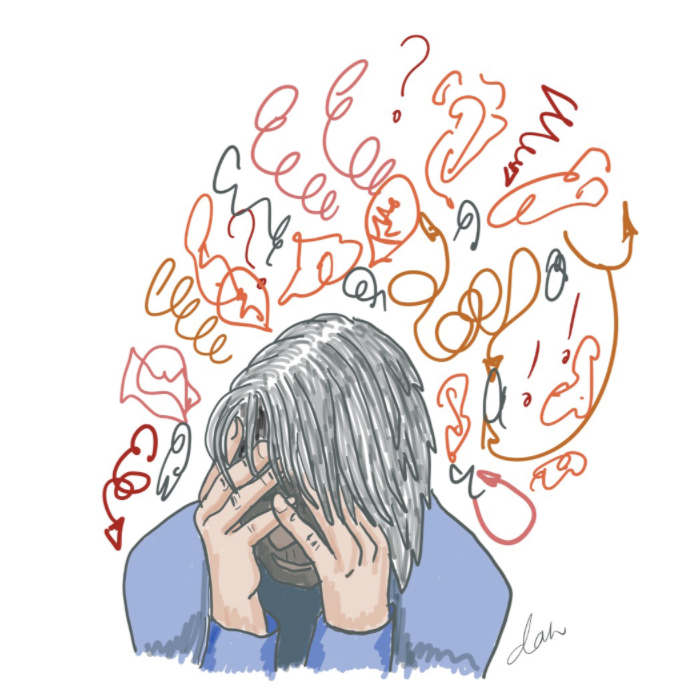
What is depression?
Depression, also known as major depressive disorder, is a common and serious condition that negatively affects how you think, feel, and behave. Unlike normal sadness, depression persists, interfering with your capability to function normally in daily life. People with depression find it difficult to experience or anticipate pleasure. If untreated, the symptoms can last for weeks, months or even years and in rare cases can be fatal by leading to suicide. For this reason, doctors take this condition very seriously to make sure that if you suffer from depression you get the best treatment.
According to the World Health Organization, more than 264 million people suffer from depression worldwide, and it affects people of all ages, races, social classes, and cultures.
Contrary to what some believe, depressive disorder is not a sign of personal weakness, nor can this serious health condition simply be wished away.
Depression signs & symptoms
It is important to note that not everyone who suffers from depression experiences every symptom listed. Some experience many of the symptoms while others experience few.
- Continuous sadness, anxiety, or feeling of “emptiness”.
- Feeling worthless, helpless, guilt, or self-reproach.
- Not finding joy in anything you do, especially when it’s things you previously loved doing.
- Excessive loss of weight due to under-eating / gaining weight due to overeating.
- Insomnia – struggling to sleep or oversleeping.
- Increased use of alcohol and drugs.
- Constant loss of energy and feeling of fatigue.
- Hostility, irritability, and restlessness.
- The decline of personal relationships with your loved ones. Loss of libido.
- Difficulty concentrating and making decisions.
- Aches and pains that don’t go away even with proper treatment – such as headaches and cramps, fibromyalgia, or digestive problems.
- Thoughts of death or suicide.
Risk factors/causes of depression
Depression has several different causes. However, it is usually triggered by a number of different factors. The triggering factor can be obvious such as emotional stress or physical trauma. However, in many cases, depression can simply occur without any apparent reason.
Whatever the stresses, the overall result is an imbalance in neurotransmitters, the chemical messengers in the brain.
Recognised causes of depression include:
Genetics
If there’s a history of depression in your family, your risk of getting this is higher as depression runs in families.
Age & Gender
More women suffer from depression than men (World Health Organization), and depression is more commonly found among adults even though teens and children can also experience depression.
External life events
Many different life events can contribute to depression. These include but not limited to:
- Financial stress
- Legal problems
- Pressure at work
- Loneliness due to difficulty forming relationships
- Broken relationships – divorce, partner break-up.
- Sibling rivalry.
- The death of a loved one
- Moving home
Physical factors
Several medical conditions can add stress.
- Having a heart attack or a stroke
- Neurological conditions such as Parkinson’s disease or early Alzheimer’s.
- Having a chronic illness such as diabetes.
- Hormonal changes. This happens in women after delivering a baby (baby blues) or when they become menopausal.
- The use of various medications, such as blood pressure, cortisone, anticonvulsants or birth control pills.
- Substance abuse (nicotine, drugs, alcohol).
Often it is not a single factor that triggers a depressive episode, but several simultaneous factors, which when looked at individually are not in themselves an issue, but when taken together overwhelm the senses leading to depression.
How is depression diagnosed?
Step 1: Visit a local doctor for a medical evaluation. As there are usually no physical defects, the diagnosis of depression is made after a full history with the doctor identifying the signs and symptoms of depression. Other medical conditions which can cause similar symptoms to depression need to be ruled out during this process.
Step 2: Once a person has been diagnosed with depression, they can be managed through several methods.
Treatments for depression
Medication
Your doctor may prescribe:
- antidepressants
- anti anxiety
- antipsychotic medications
Psychotherapy
Speaking with a therapist will help you manage your depression. You could also consider joining group or family therapy sessions.
Electroconvulsive Therapy
For people with more severe depression or bipolar disorder, Electroconvulsive Therapy (ECT) may be considered. This procedure can quickly reverse symptoms of these mental health conditions.
Conclusion
In South Africa, there are 23 suicides and 230 serious attempts recorded a day (The South African Depression and Anxiety Group), confirming that depression is a serious and debilitating condition affecting not only the patient but also the people in that person’s life. The good news is that when a depressed patient is managed effectively they can lead a normal happy life.
If you or a loved one are experiencing any signs of depression, seek help today!
Reach our offices in Cape Town at: 021 794 1703