
You just burned your hand on a hot stovetop. What do you do?
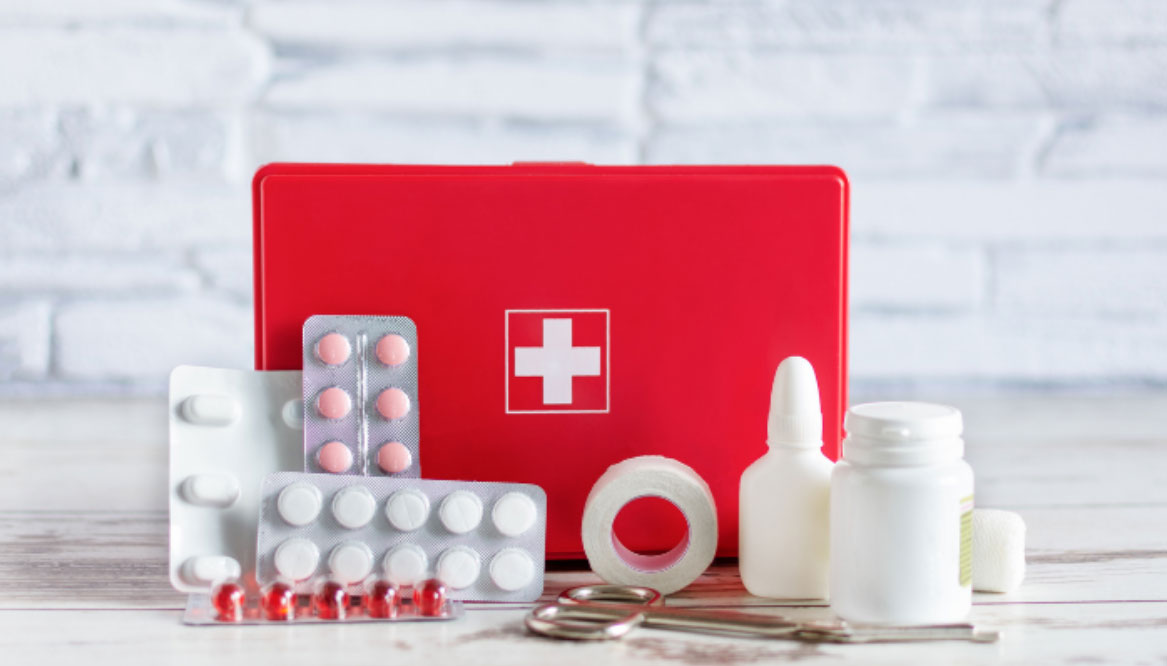
How would you handle a cut, a burn, a spider bite, or a nosebleed? Injuries happen in an eye flash. Lucky for us, minor injuries are very easy to treat at home, if you have the necessary supplies and ointments. That’s why all households need to have a well-stocked first-aid kit in their homes.
To help you handle these injuries fast and effectively, we’ve compiled a list of tips for first aid at home, as well as a checklist of what needs to be included in your first aid kit.
What’s included in a first aid kit (checklist)
- Adhesive tape
- Alcohol wipes or Ethyl alcohol
- Allergy medicine
- Aloe vera gel
- Antibiotic ointment
- Antihistamine (e.g. Claritin and Zyrtec)
- Antiseptic solution (e.g. Cavilon and Betadine)
- Calamine lotion
- Disposable instant cold packs
- Elastic bandages
- Gauze Bandages
- Hand sanitiser
- Hydrocortisone cream
- Mouthpiece for giving CPR
- Nasal decongestant
- Pain relievers
- Plastic non-latex gloves
- Safety pins
- Saline wound wash
- Sharp scissors
- Thermometer
- Tweezers
4 Tips for first aid at home
How to treat minor scrapes and cuts

Step 1: Stop the bleeding by placing pressure on the wound with a piece of gauze or clean cloth. Keep pressure on the wound for a few minutes.
Step 2: Clean the wound by placing it under cold running water while using soap and a washcloth to wash the area around the wound. Don’t get soap into the wound.
Step 3: If there is any dirt in the wound, you can use your sanitized tweezer to pick out the dirt pieces.
Step 4: If the wound is on a part of your body that might get dirty or that scrapes against your clothes you can cover it with a bandage. If not, then it’s best to leave the wound uncovered and dry so that it can heal faster.
How to treat a nosebleed
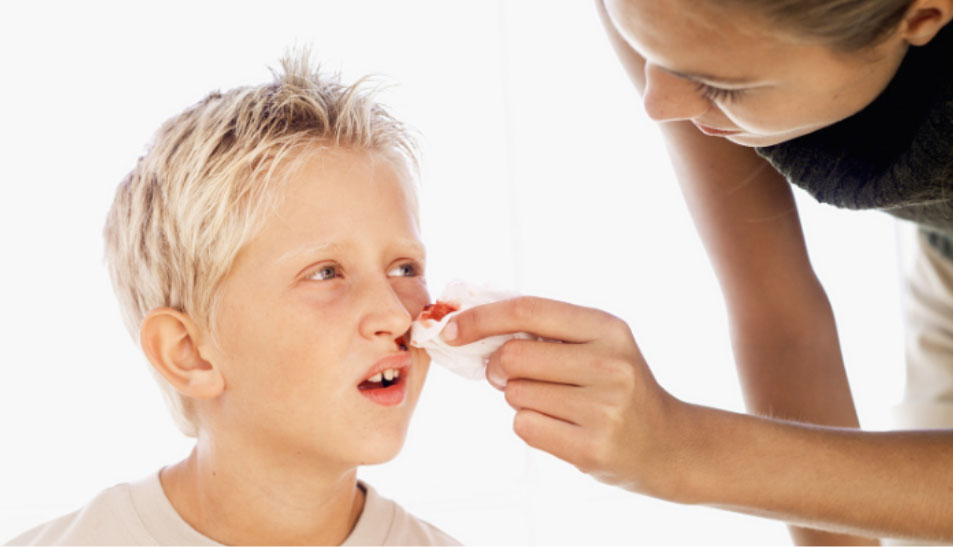
Step 1: Sit down and bend forward. This will reduce bleeding and prevent blood from dripping down your throat.
Step 2: Blow your nose gently to clear out any remaining clotted blood and spray nasal decongestant in the nose.
Step 3: Pinch the soft portion of your nose with your fingers until the bleeding stops. Continue to pinch for 5 to 10 minutes.
How to treat a burn
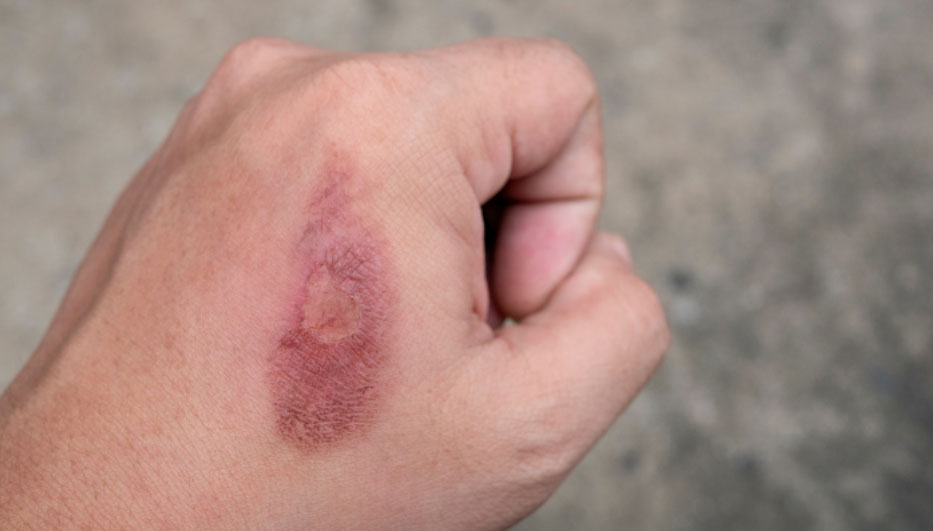
In the case that your burn isn’t severe, you can treat it yourself at home in these 3 steps:
Step 1: Reduce swelling by placing the burned area under cool running water for at least 5 minutes.
Step 2: Soothe the area by applying an antibiotic ointment, antiseptic spray, or aloe vera cream.
Step 3: Loosely wrap a gauze bandage around the burn.
After completing these steps you can take pain medication to ease the pain (if necessary).
How to treat a spider bite
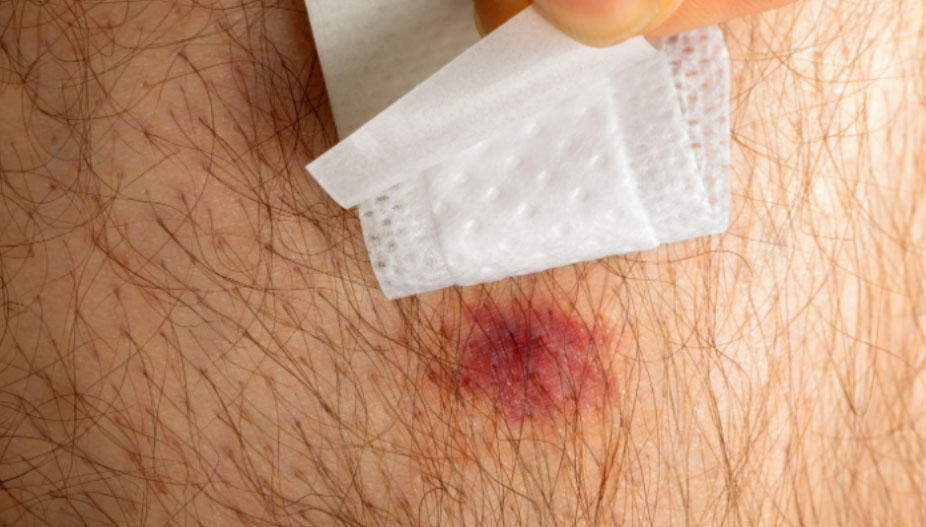
The most dangerous spiders in South Africa include widow spiders, violin spiders, and sac spiders. In the case that you’ve been bitten by either one of the above-mentioned spiders, immediate professional medical attention is required.
However, if a non-poisonous spider has bitten you, you can treat the bite as follows:
Step 1: Apply an ice pack to the bite for 10 minutes.
Step 2: Reduce swelling by elevating the area where you’ve been bitten.
Step 3: Prevent infection by cleaning the area with water and soap.
Step 4: Take an antihistamine to help with itching.
Step 5: Apply an antibiotic ointment to the area if any blisters develop.
Conclusion
Having a first aid kit at home is crucial.
By keeping a well-supplied kit in your home, you’ll be able to effectively treat small injuries with minimal effort.
Following these 4 tips for first aid at home will help you heal your injuries faster and prevent any unnecessary infections.
If you’ve tried these tips, but find that your injury is more severe than you anticipated, give us a call today!